What You Need to Know About Lubricants and Storage Tanks
Understanding Lubricants and Their Importance in Storage
Types of Lubricants Used in Oil Storage
Lubricants play a critical role in the maintenance and efficiency of oil storage systems. Various types of lubricants exist, each designed for specific purposes within oil and gas storage. Mineral oils, synthetic oils, and biodegradable lubricants are among the most common. Mineral oils, derived from refining crude oil, offer excellent lubrication properties but may not be environmentally friendly. Synthetic oils, engineered from chemical compounds, provide superior performance in extreme temperatures and pressures, making them ideal for high-demand applications. Biodegradable lubricants, sourced from natural materials, cater to eco-conscious operations and reduce environmental impact significantly. Understanding these types helps operators select the right lubricant for their specific oil storage tanks, enhancing both safety and efficiency.
The Role of Lubricants in Oil and Gas Storage
Lubricants serve multiple purposes in oil and gas storage. They minimize friction between moving parts, which can significantly extend the lifespan of equipment like pumps and valves. Proper lubrication prevents wear and tear, reducing maintenance costs and downtime. Additionally, lubricants help protect against corrosion, a common issue in storage tanks due to moisture and contaminants. Effective lubrication systems also improve energy efficiency, allowing pumps and other machinery to operate smoothly, thus saving on operational costs. In essence, the right lubricants contribute to the overall reliability of oil storage systems, ensuring that operations run smoothly and safely.
Factors Affecting Lubrication Efficiency
Several factors influence the efficiency of lubrication in oil storage tanks. Temperature fluctuations can alter the viscosity of lubricants, impacting their performance. High temperatures may lead to thinning, while low temperatures can cause thickening, both of which hinder the lubricant's ability to reduce friction effectively. Contaminants such as water, dust, and particulates can also compromise lubricant integrity, leading to reduced efficiency and potential equipment failure. The quality of the lubricant itself is paramount; using substandard products can lead to subpar performance. Regular monitoring and maintenance of lubrication systems ensure optimal conditions, allowing for consistent efficiency in oil storage operations.
Choosing the Right Oil Storage Containers
Types of Oil Storage Tanks: A Comprehensive Overview
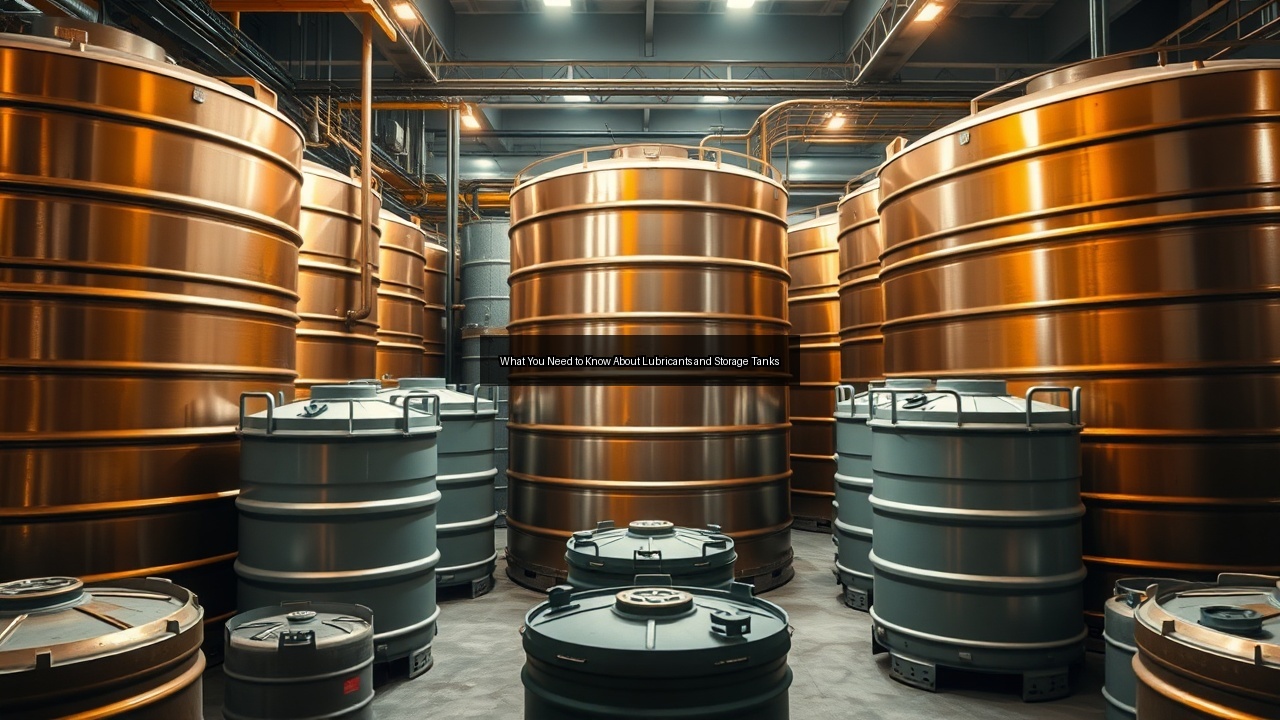
Choosing the right oil storage containers is crucial for any operation dealing with oil and gas storage. Storage tanks come in various designs, each catering to specific needs. Above-ground storage tanks (ASTs) and underground storage tanks (USTs) are the two primary types. ASTs are easily accessible for inspection and maintenance, making them popular for commercial and industrial applications. USTs, while less visible, can be beneficial for space-saving and aesthetic purposes. Additionally, different materials such as steel, fiberglass, and plastic offer varying degrees of durability and corrosion resistance. Each type of tank has its advantages and limitations, so assessing the specific requirements of your operation is essential for making an informed decision.
Plastic Containers vs. Steel Drums: Which is Better?
When it comes to oil storage containers, the choice between plastic containers and steel drums can significantly impact both safety and efficiency. Steel drums offer superior strength and durability, making them suitable for long-term storage and transport. They resist extreme temperatures and external impacts, providing a reliable barrier against leaks. However, steel can be prone to rust and corrosion if not properly maintained. On the other hand, plastic containers are lightweight and often resistant to corrosion, making them an excellent choice for specific applications, especially when weight is a concern. They are also less expensive and easier to handle. Ultimately, the decision hinges on the specific needs of the operation, including storage conditions, type of oil, and environmental considerations.
Capacity Considerations: Gallons, Quarts, and Liters
Capacity consideration is paramount when selecting oil storage containers. Oil storage tanks come in various sizes, measured in gallons, quarts, or liters. Depending on the scale of operations, businesses must choose containers that adequately meet their storage needs without incurring unnecessary costs. Smaller operations may find that quarts or gallons suffice, while larger enterprises typically require tanks measured in hundreds or thousands of gallons. It's essential to consider not only the immediate needs but also future scalability. Overestimating storage requirements leads to excess costs, while underestimating can result in operational disruptions. Careful planning and assessment enable smooth, efficient oil storage management.
Best Practices for Storing Oil in Tanks
Gravity Feed Systems: Advantages and Disadvantages
Gravity feed systems utilize the natural force of gravity to transfer oil from storage tanks to the desired location. This method offers several advantages, including simplicity and low operational costs. Gravity systems require minimal maintenance and are less prone to mechanical failure than pump-driven systems. However, they also come with disadvantages. Gravity feeding may not provide sufficient flow rates for high-demand applications, necessitating additional equipment. Additionally, variations in tank levels can lead to inconsistent pressure, complicating the transfer process. Operators must weigh these factors when deciding on the best method for their oil storage needs.
Maintaining Optimal Conditions for Oil Storage
Maintaining optimal conditions for oil storage is vital for preserving oil quality and ensuring safety. Factors such as temperature, humidity, and exposure to light can significantly affect oil stability. Ideally, storage tanks should be located in a cool, dry, and dark environment. Temperature controls can mitigate the risks of degradation due to excessive heat. Regular inspections of tanks are essential to identify and address any issues related to leaks, corrosion, or contamination. Implementing a routine maintenance schedule allows operators to maintain the integrity of the oil and extend its shelf life, ensuring that stored oil remains effective for its intended purpose.
Regulatory Compliance and Safety Standards
Compliance with regulatory standards is crucial for any facility involved in oil storage. Various local, state, and federal regulations govern the handling, storage, and transportation of oil. Adhering to these regulations not only ensures safety but also protects the environment from potential spills and contamination. Operators must stay informed about the latest regulations and implement necessary safety measures, including spill prevention plans and emergency response strategies. Regular training and audits help maintain compliance and foster a culture of safety within operations. Failure to comply can lead to severe penalties, making it imperative to prioritize regulatory adherence in oil storage practices.
Common Issues and Solutions in Oil Storage
Preventing Contamination in Oil Storage Tanks
Contamination remains one of the most pressing challenges in oil storage. Factors like water ingress, particulates, and microbial growth can compromise oil quality and lead to significant operational issues. Implementing preventive measures is essential for safeguarding stored oil. Using high-quality filters during the filling process helps reduce contaminants. Installing proper seals and lids on storage tanks minimizes water ingress and protects against external pollutants. Regular sampling and testing of stored oil provide insights into its condition, allowing for timely intervention if contamination occurs. Moreover, employing biocides can prevent microbial growth, ensuring that oil remains uncontaminated and effective for use.
Dealing with Leaks and Spills
Leaks and spills are inevitable concerns in oil storage operations. Promptly addressing these issues is essential to minimize environmental impact and maintain safety. Installing secondary containment systems, such as dikes or spill trays, provides an additional layer of protection by capturing any leaks from storage tanks. Regular inspections and maintenance of tanks can help identify potential weaknesses before they result in spills. In the event of a leak, having a well-defined emergency response plan is crucial. Training staff to handle spills effectively and equipping them with necessary tools ensures swift action, mitigating risks and protecting both personnel and the environment.
Innovative Solutions for Effective Oil Storage Management
Innovation plays a pivotal role in enhancing oil storage management. Advanced technologies, such as IoT sensors, facilitate real-time monitoring of storage conditions, enabling operators to respond proactively to potential issues. These sensors can track temperature, humidity, and tank levels, providing valuable data to optimize storage conditions. Additionally, automation in oil transfer processes reduces manual handling, minimizing the risk of spills and contamination. Integrating software solutions for inventory management allows for better tracking of oil quantities and ensures compliance with regulations. Embracing innovative practices oil container not only improves efficiency but also enhances safety and sustainability in oil storage operations.