Cost-Effective Strategies for Skid Fabrication in Construction
Understanding Modular Skid Fabrication
What is Modular Skid Fabrication?
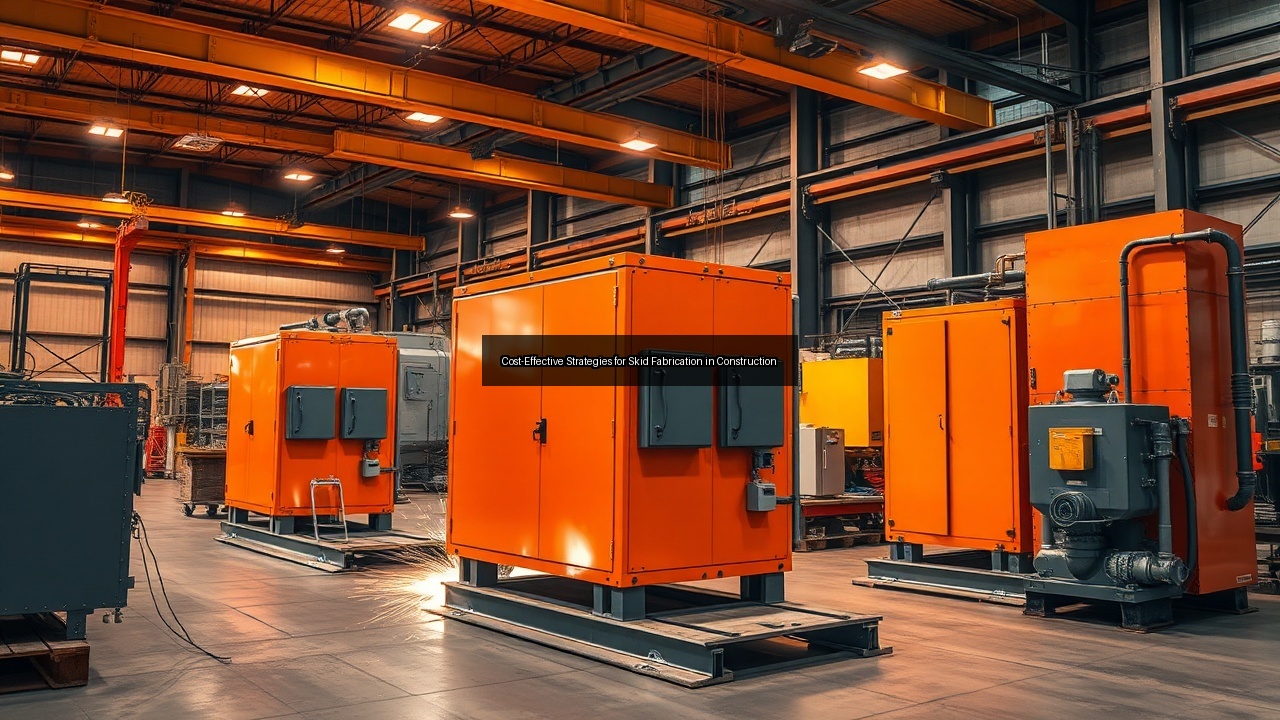
Modular skid fabrication assembles complete process units on a steel base frame before shipment to the job site. This approach lets contractors install entire systems in days rather than weeks. Crews connect piping, electrical, and instrumentation at the skid fabrication shop under controlled conditions. The oil and gas industry relies on this method to speed turnaround on remote platforms and plants. Custom skid fabrication shops build units that arrive ready for operation, cutting field labor hours dramatically.
Engineers specify layout, materials, and connections during the design phase so the skid fabricator can complete pressure testing and painting indoors. This controlled environment improves weld quality and reduces weather delays common in construction. Project teams gain schedule certainty when they choose modular process skid units over stick-built alternatives.
Key Components of Modular Process Skids
Every modular process skid contains a structural steel base, process vessels, pumps, heat exchangers, piping runs, valves, and control panels. Fabricators mount these items on the skid frame using precise alignment procedures. Instrumentation racks and junction boxes integrate into the same package so commissioning teams only need to land power and signal cables. Alloy piping sections handle corrosive fluids while carbon steel frames provide structural strength. Skid fabrication services often include lifting lugs rated for safe transport by truck or barge.
Designers route conduits and cable trays along the skid perimeter to avoid interference during installation. This layout discipline prevents costly field modifications later. Manufacturers document every component tag so operators can https://agifabricators.com/process-skids/ trace maintenance history from day one.
Benefits of Using Modular Skids in Construction
Modular skids reduce on-site construction time by up to 50 percent. Workers perform most welding and assembly inside the skid fabrication shop where tools and cranes stand ready. Safety improves because crews avoid elevated work and weather exposure. Quality management becomes easier when inspectors review work in a single location rather than scattered across a plant. Cost savings appear in reduced scaffolding, temporary power, and travel expenses for craft labor.
Owners also gain earlier revenue because the facility starts up sooner. The repeatability of modular process systems allows fabricators to refine designs across multiple projects. Each iteration trims material waste and labor hours further.
Cost-Effective Design Strategies
Selecting the Right Materials for Skid Fabrication
Engineers balance corrosion resistance against material price when they choose alloys for piping and vessels. Duplex stainless steel often replaces more expensive nickel alloys in moderate service. Fabricators stock common plate and pipe sizes to avoid mill minimums that drive up custom orders. They verify mill certificates and heat numbers before cutting so traceability meets code requirements without extra testing fees. This careful selection keeps the total skid fabrication cost competitive while preserving equipment life.
Coatings applied in the shop protect carbon steel frames from transport damage and early corrosion. Specifying standard paint systems rather than exotic finishes further trims expense without sacrificing performance in typical oil and gas environments.
Incorporating Standard Sizes to Reduce Costs
Design teams that standardize beam sizes, nozzle locations, and valve models cut engineering hours and fabrication complexity. Standard pump footprints allow the skid fabricator to reuse jigs and fixtures across projects. This reuse lowers setup time and reduces scrap. When layouts follow common spacing rules, piping spools nest efficiently on the cutting table, minimizing waste. Standard sizes also simplify spare parts inventory for the owner after startup.
Modular skid fabrication shops maintain libraries of approved standard details. These libraries speed quoting and reduce the chance of errors during welding and assembly. Projects that adopt these standards finish under budget more consistently.
Utilizing Efficient Design Software
Three-dimensional modeling software lets engineers detect clashes before any steel is cut. Automated routing tools optimize pipe runs for shortest length and fewest fittings. Fabricators export isometric drawings directly to CNC machines, eliminating manual transcription errors. Software that tracks material takeoffs generates accurate bills of material that prevent over-ordering. These digital workflows shorten the design-to-fabrication cycle by weeks.
Cloud-based collaboration platforms allow the owner, engineer, and skid fabrication company to review models simultaneously. Real-time markups resolve issues quickly and avoid expensive rework once fabrication begins.
Optimizing the Fabrication Process
Streamlining the Welding Techniques
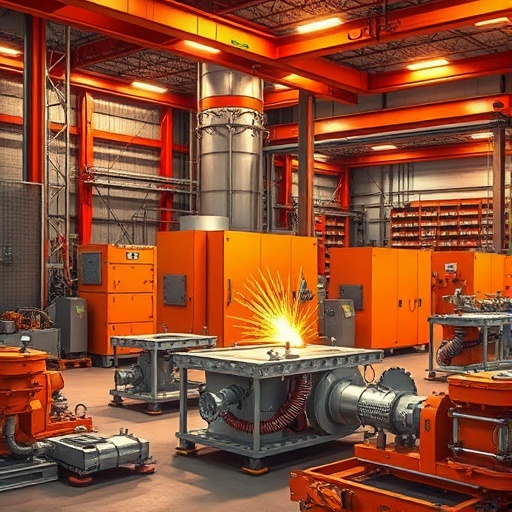
Skid fabrication welding crews use orbital welding heads for consistent root passes on small-bore tubing. This method reduces welder fatigue and produces repeatable results that pass radiographic inspection the first time. Submerged arc welding handles larger structural seams faster than manual processes. Shops sequence weld operations so fit-up crews stay ahead of welders, keeping both teams productive. Proper sequencing cuts total fabrication hours and shortens the overall project schedule.
Post-weld heat treatment occurs in dedicated ovens sized for entire skids when required. This controlled process avoids field heat treatment complications and associated costs.
Implementing Advanced Machining Technologies
CNC plasma and laser cutters produce accurate base plates and brackets from digital files. Five-axis machining centers create precise mounting pads for rotating equipment without manual shimming. These technologies reduce tolerance stack-up and improve equipment alignment after installation. Shops that invest in automated material handling move heavy assemblies safely and quickly between stations. Faster throughput lowers overhead allocation per skid.
Advanced machining also supports tighter integration of sensors and valves. Accurate port locations eliminate adapter fittings that add cost and leak points.
Benefits of Prefabrication in Modular Systems
Prefabrication moves work from the field into the skid fabrication shop where lighting, power, and lifting equipment remain constant. Workers complete insulation, painting, and functional testing before the unit ships. This completeness reduces punch-list items during plant startup. Transportation planning ensures skids arrive on schedule and fit within site crane capacities. Prefabricated modular process skids therefore compress the critical path of many construction projects.
Owners receive documented test records with each delivered unit. These records support faster regulatory approval and insurance sign-off.
Quality Control in Skid Fabrication
Importance of Quality Assurance in Construction
Quality assurance protects both schedule and safety. Defective welds discovered after shipment cause expensive field repairs and delays. Systematic inspection during skid fabrication catches issues while correction remains simple. Documented procedures create a traceable record that satisfies client audits and regulatory reviews. Strong quality programs also lower the risk of leaks or failures once the system enters service.
Skid fabricators that embed quality checks at each workstation prevent defects from moving downstream. This proactive approach reduces scrap and rework costs that erode project margins.
Strategies for Effective Quality Management
Effective quality management starts with written procedures that every welder and assembler follows. Hold points allow inspectors to verify fit-up, weld preparation, and material identification before work proceeds. Digital checklists capture results in real time and flag missing steps. Root-cause analysis on any nonconformance prevents recurrence across future skids. Regular calibration of welding machines and measuring tools maintains process capability.
Training programs keep craft personnel current on code changes and new inspection techniques. Continuous improvement meetings turn field feedback into shop process updates.
Ensuring Compliance with Industry Standards
Skid fabrication companies follow ASME, API, and AWS codes that govern pressure vessels, piping, and structural welding. Third-party inspectors witness critical tests and review material certifications. Compliance documentation travels with each skid so site engineers can verify suitability for the intended service. American manufacturers often maintain additional certifications required by specific end users in the oil and gas industry.
Regular audits of the quality management system confirm that procedures remain effective. This disciplined approach gives owners confidence that delivered modular skids will perform reliably.
Choosing the Right Skid Fabrication Company
What to Look for in a Skid Fabrication Manufacturer
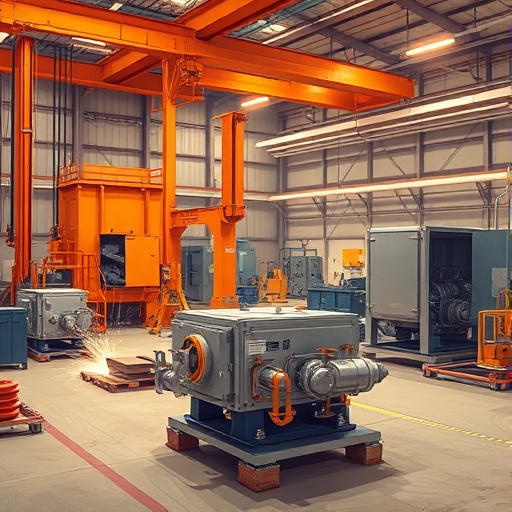
Owners evaluate shop capacity, past project experience, and engineering support when selecting a skid fabrication manufacturer. A capable company maintains in-house design staff who can adapt standard modules to specific process conditions. They also demonstrate consistent on-time delivery and clean safety records. References from completed modular process systems projects reveal how well the fabricator coordinates with other contractors.
Site visits let buyers inspect welding equipment, lifting capacity, and quality control procedures firsthand. These visits confirm the shop can handle the required skid size and complexity.
Evaluating Licensing and Certifications
Valid welding procedure qualifications and welder performance records form the foundation of any reputable skid fabrication company. Pressure vessel stamps such as ASME U and R demonstrate the ability to build and repair code equipment. ISO 9001 certification signals disciplined quality management practices. State contractor licenses and insurance certificates protect the owner from liability during fabrication and transport. Reviewing these documents before contract award reduces project risk.
Renewal dates and audit histories indicate ongoing commitment to standards rather than one-time compliance.
Understanding Risk Management in Skid Fabrication
Strong risk management includes clear contract terms for scope changes, schedule delays, and warranty coverage. Fabricators carry adequate liability and builder’s risk insurance to cover potential damage during assembly and shipment. They also maintain contingency plans for material shortages or equipment breakdowns. Owners should request evidence of these protections during the bidding process. Thorough risk evaluation prevents disputes that can stall construction progress and inflate final costs.
Regular progress meetings with the skid fabrication services provider keep issues visible and allow timely corrective action. This partnership approach protects both schedule and budget throughout the project.