Maximize Storage Safety with Cutting-Edge Level Measurement Technologies
Understanding the Importance of Level Measurement in Chemical Storage
The Role of Level Gauges in Safety Management
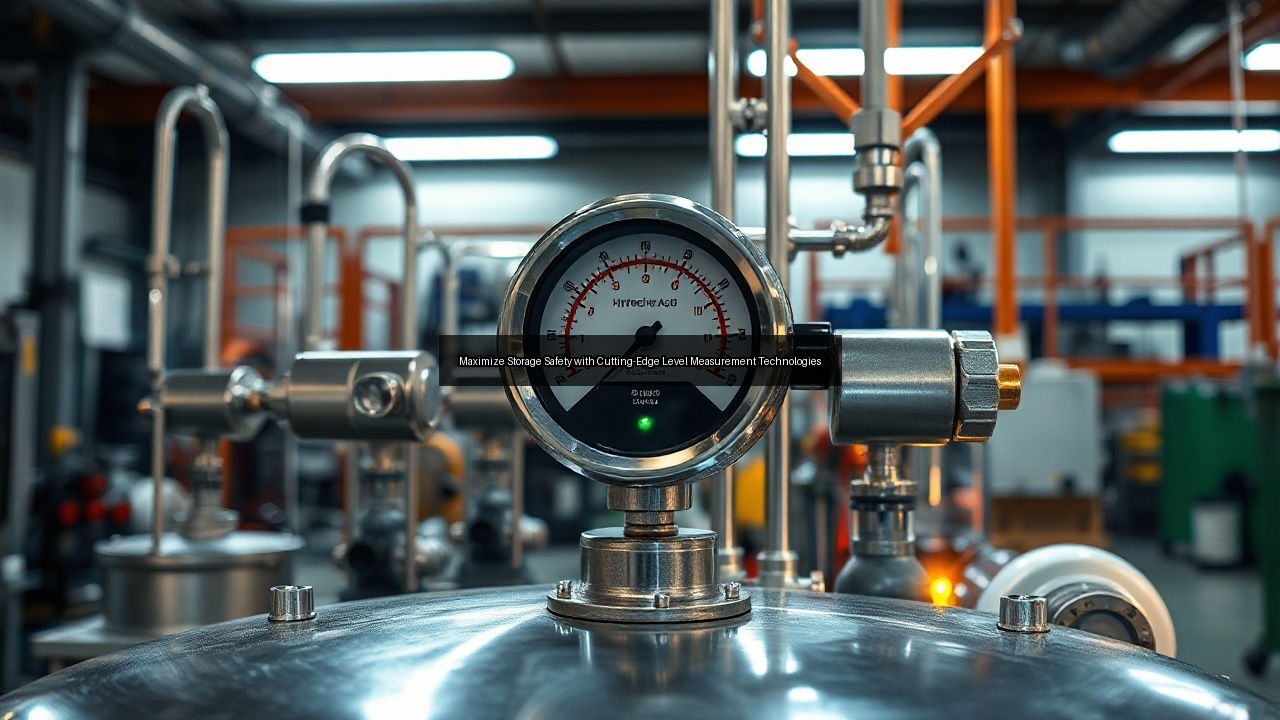
Level gauges play a critical role in managing safety in chemical storage environments. gauge for hydrochloric acid For industries handling hazardous materials, such as hydrochloric acid (HCl) and sodium hydroxide (NaOH), accurate level measurement is essential for preventing spills, leaks, and other dangerous situations. These instruments measure the liquid levels in storage tanks, allowing operators to monitor quantities effectively and maintain safe operational limits. Implementing advanced level measurement solutions enhances safety protocols and minimizes the risk of accidents, ultimately protecting both personnel and the environment. The precision offered by reliable level gauges helps ensure compliance with safety regulations, fostering a culture of responsibility and vigilance in chemical handling.
Challenges of Measuring Corrosive Substances
Measuring corrosive substances like hydrochloric acid and sodium hydroxide presents unique challenges that require specialized solutions. These chemicals can degrade standard measurement instruments, leading to inaccurate readings, equipment failure, and safety hazards. Corrosion resistance becomes a top priority when selecting level sensors for such applications. Using materials like stainless steel, glass, or specially coated components ensures that the measuring instruments withstand the harsh environments created by these aggressive chemicals. Additionally, factors like temperature fluctuations and pressure variations can affect the performance of level gauges, necessitating robust designs that maintain accuracy and reliability over time.
Key Properties of Hydrochloric Acid and Sodium Hydroxide
Understanding the key properties of hydrochloric acid and sodium hydroxide is essential for selecting the appropriate level measurement technology. Hydrochloric acid is a strong acid with a low pH, making it highly corrosive and reactive. Its density and viscosity affect how it interacts with different measuring instruments. Sodium hydroxide, a strong base, is equally corrosive and poses similar challenges in measurement. Both substances require careful handling and precise monitoring to avoid dangerous situations. Chemical compatibility of the level gauge materials with these substances is crucial, ensuring that the measuring instrument performs reliably without degradation. Proper knowledge of these properties enhances the effectiveness of storage tank management and safety protocols.
Advanced Level Measurement Technologies
Overview of Cutting-Edge Level Sensors
Cutting-edge level sensors have revolutionized the way industries measure liquid levels in storage tanks. Modern technologies include capacitive, ultrasonic, radar, and laser sensors, each offering distinct advantages for chemical applications. Capacitive sensors, for instance, can provide accurate level measurement without contact with the liquid, making them ideal for corrosive environments. Ultrasonic sensors use sound waves to measure distances, providing reliable results in various conditions. Radar sensors, on the other hand, excel in challenging environments with vapor or foam, ensuring precise readings regardless of interference. These advanced level measurement technologies enhance safety and efficiency in chemical storage, offering real-time data that supports informed decision-making.
Benefits of Corrosion-Resistant Materials
The selection of corrosion-resistant materials in level measurement instruments is vital for ensuring operational longevity and reliability. Materials like stainless steel, PTFE, and specialized plastics offer excellent resistance to chemical degradation, which is crucial when dealing with corrosive substances such as hydrochloric acid and sodium hydroxide. Using these materials not only extends the lifespan of the measuring instruments but also reduces maintenance costs associated with frequent replacements. Corrosion-resistant level gauges maintain accuracy and performance over time, providing consistent data that is essential for safe storage tank management. Investing in high-quality materials enhances overall operational safety and efficiency, allowing businesses to meet regulatory compliance effortlessly.
Comparative Analysis: Pressure Gauge vs. Level Gauge
When it comes to measuring liquid levels in storage tanks, understanding the differences between pressure gauges and level gauges is essential. Pressure gauges measure the pressure exerted by the liquid column, allowing for indirect level measurement, while level gauges provide direct readings of liquid levels. While pressure gauges can be effective, they often require more calibration and may not be suitable for all types of chemicals, especially corrosive substances like hydrochloric acid. Level gauges, particularly those designed for chemical applications, offer greater accuracy and reliability. For industries focused on safety and compliance, choosing the right instrument between these two options can have significant implications for operational efficiency and risk management.
Selecting the Right Level Measurement Instrument
Factors to Consider for HCl and NaOH Tanks
Selecting the right level measurement instrument for acid level measurement hydrochloric acid and sodium hydroxide tanks involves several critical factors. First, assess the chemical compatibility of the materials used in the level gauge to ensure they can withstand the corrosive nature of these substances. For example, stainless steel and glass are preferred materials due to their high resistance to corrosion. Next, consider the operating environment, including temperature and pressure conditions, which can affect instrument performance. Lastly, evaluate the required accuracy and reliability for effective monitoring. These factors will lead to better decision-making, ensuring the selected measuring instrument meets safety standards while providing accurate level measurements.
Reliability and Accuracy in Chemical Level Gauges
Reliability and accuracy are paramount when choosing a chemical level gauge. In environments where corrosive substances are stored, even minor inaccuracies can lead to severe consequences, including spills and leaks. Advanced level gauges incorporate features such as real-time monitoring, calibration alerts, and fail-safes to enhance reliability. Implementing instruments with proven accuracy ensures that operators can make informed decisions regarding chemical handling and storage. Regular maintenance and calibration of these measuring instruments further enhance their reliability, providing consistent and accurate data. Choosing a level gauge that prioritizes these factors significantly reduces risks associated with chemical storage, promoting a safer working environment.
Top Brands and Innovations: Focus on VEGA
VEGA stands out as a leading brand in the field of level measurement technologies. Known for its innovative solutions, VEGA offers a range of level gauges specifically designed for challenging chemical environments. Their instruments utilize advanced technologies such as radar and capacitive measurement, ensuring reliability and accuracy even in corrosive conditions. VEGA’s commitment to quality and performance sets it apart in the industry, making it a trusted choice for businesses dealing with hydrochloric acid and sodium hydroxide. By investing in VEGA’s cutting-edge solutions, companies can enhance their level measurement capabilities, ensuring compliance with safety regulations while optimizing operational efficiency.
Best Practices for Safe Storage Tank Management
Regular Maintenance and Calibration of Measuring Instruments
Regular maintenance and calibration of measuring instruments are essential to ensure accurate level measurement in chemical storage tanks. Over time, wear and tear can affect the performance of level sensors, leading to inaccurate readings that pose safety risks. Establishing a scheduled maintenance program helps identify potential issues before they escalate, ensuring that instruments remain in optimal working condition. Calibration must occur periodically to align the instrument's output with known standards. This practice not only enhances accuracy but also builds confidence in the safety measures implemented within chemical handling operations. Adopting a proactive approach to maintenance and calibration fosters a culture of safety and reliability.
Implementing a Robust Monitoring System
A robust monitoring system is crucial for effective storage tank management. This system should integrate level gauges with advanced software that provides real-time data on chemical levels. Utilizing IoT technology can further enhance monitoring capabilities, allowing for remote access and alerts for abnormal conditions. This level of oversight enables operators to make informed decisions quickly, addressing potential issues before they lead to accidents. Implementing comprehensive monitoring solutions, including alarms and data analytics, contributes to a safer working environment by ensuring that all chemical storage tanks are closely observed and managed. Such systems not only enhance safety but also improve operational efficiency.
Language of Safety: Training Staff on Chemical Handling
Training staff on chemical handling is an integral part of maintaining safety in environments that utilize hydrochloric acid and sodium hydroxide. Educating employees about the properties of these substances, the risks involved, and the correct usage of level gauges and other measuring instruments cultivates a culture of safety. Staff should be trained to recognize the signs of equipment malfunction and understand emergency protocols. Incorporating the language of safety into training programs ensures that all employees are well-equipped to handle chemicals responsibly. This proactive approach minimizes risks and fosters a safe work environment, ultimately contributing to a more efficient and compliant operation.