The Future of Automated Machining in Hydraulic Equipment Production
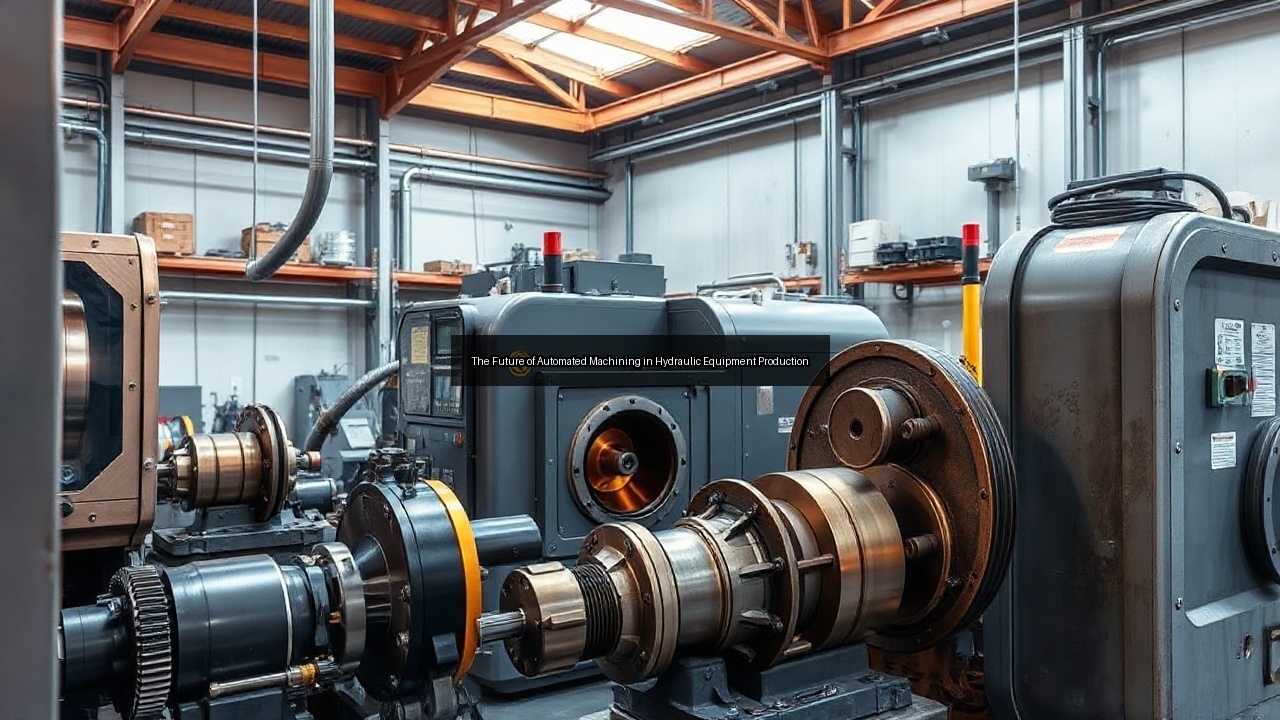
Advancements in Automated Machining Technologies
The Role of CNC Machining in Hydraulic Component Production
CNC machining revolutionizes hydraulic component manufacturing by offering precision and repeatability that traditional machining methods cannot achieve. Computer Numerical Control (CNC) machines automate the machining process, allowing manufacturers to produce complex parts like pistons, spools, and forgings with high accuracy. The ability to replicate designs consistently ensures that hydraulic systems maintain optimal performance. Manufacturers benefit from reduced human error and increased production speed, which translates to lower costs and faster turnaround times. Companies that invest in CNC technology enhance their capabilities, providing a competitive advantage in the hydraulic equipment sector.
Emerging Technologies: From Traditional to Automated Systems
The transition from traditional machining techniques to automated systems marks a significant evolution in hydraulic component machining. Emerging technologies, such as additive manufacturing and advanced robotics, complement CNC machining, offering new avenues for innovation. For example, 3D printing allows for the creation of complex geometries that traditional methods struggle to achieve. Robotics can handle repetitive tasks, increasing efficiency in the production line. These advancements not only enhance productivity but also open doors to new materials, such as advanced plastics and corrosion-resistant metals, further expanding the possibilities in hydraulic systems manufacturing.
Efficiency Improvements through Automation in Manufacturing
Automation in hydraulic component machining significantly boosts efficiency across the manufacturing process. Automated machining centers streamline workflows by integrating various operations, such as turning, milling, and grinding, into a single setup. This consolidation reduces the time spent on tool changes and setups, leading to shorter lead times. Additionally, automated systems can operate continuously, maximizing machine utilization. The result is a more agile manufacturing environment that meets the growing demand for hydraulic components in diverse industries, including aerospace, automotive, agriculture, and construction. Enhanced efficiency not only reduces costs but also contributes to sustainability by minimizing waste generated during production.
Precision and Quality in Hydraulic Component Machining
Understanding Tolerances in Hydraulic Systems
Tolerances play a critical role in the performance of hydraulic systems. Accurate machining of hydraulic components, such as bearings and seals, requires adhering to strict tolerance specifications. Even minor deviations can lead to inefficiencies, leaks, and system failures. Manufacturers must invest in high-precision CNC machines and implement rigorous inspection processes to ensure that components meet the necessary tolerances. Utilizing advanced measuring tools, such as coordinate measuring machines (CMM), allows for precise verification of machined parts. This focus on tolerances not only enhances the reliability of hydraulic systems but also builds trust with customers demanding high-quality, reliable components.
Quality Assurance Practices: ISO 9001 in Focus
Quality assurance ensures that hydraulic components meet industry standards and customer expectations. ISO 9001 certification represents a commitment to quality management principles, emphasizing process efficiency and customer satisfaction. Companies engaged in hydraulic component machining adopt ISO 9001 practices to establish systematic processes for quality control. This includes regular audits, employee training, and documentation of manufacturing processes. By adhering to these rigorous standards, manufacturers can assure clients of the reliability and performance of their hydraulic equipment. This dedication to quality sets a benchmark in the industry and positions companies as leaders in hydraulic component manufacturing.
Machining Processes for Corrosion-Resistant Hydraulic Components
Corrosion resistance is paramount in hydraulic systems, especially in marine and outdoor applications where exposure to harsh environments occurs. Machining processes that incorporate corrosion-resistant materials, such as stainless steel and specialized coatings, are essential for durability. Manufacturers utilize advanced techniques, including surface hardening and the application of PTFE coatings, to enhance the lifespan of hydraulic components. CNC machining enables the precise shaping of these materials, ensuring components retain their integrity under stress. As industries increasingly recognize the importance of longevity in hydraulic equipment, the demand for corrosion-resistant components continues to rise, driving innovation in machining practices.
Industry Applications and Future Trends
Hydraulic Equipment in Aerospace and Automotive Industries
The aerospace and automotive industries heavily rely on hydraulic equipment for critical functions, from landing gear systems to braking mechanisms. Hydraulic component machining plays a pivotal role in producing parts that meet stringent safety and performance standards. For instance, hydraulic actuators and pumps must function flawlessly under extreme conditions. As the demand for lightweight materials grows, manufacturers explore innovations in machining techniques that accommodate new alloys and composites. The trend toward automation in these sectors also leads to increased precision and efficiency, as companies strive to maintain competitive edge while adhering to regulatory requirements.
The Growing Demand for Automated Machining in Agriculture and Construction
Automated machining in agriculture and construction has gained momentum as these industries adopt advanced technologies to improve productivity. Hydraulic systems are integral to construction equipment, such as excavators and loaders, requiring high-quality machined components. The agriculture sector benefits from automation through enhanced precision in the production of hydraulic valves and cylinders used in tractors and harvesters. These automated processes not only streamline operations but also allow for customization to meet specific industry needs. As agricultural practices modernize and construction projects become more complex, the demand for reliable, high-performance hydraulic components continues to rise.
Future Innovations in Fluid Dynamics and Machinability
Future innovations in fluid dynamics and machinability promise to reshape hydraulic component manufacturing. Advances in computational fluid dynamics (CFD) enable engineers to optimize designs for improved performance and efficiency. By simulating fluid flow, manufacturers can better understand how components interact within hydraulic systems. Additionally, innovations in machinability allow for the use of novel materials that were previously challenging to machine, expanding the range of applications for hydraulic components. Companies investing in research and development will lead the way in creating next-generation hydraulic systems that are more efficient, reliable, and environmentally friendly.
Challenges and Considerations in Hydraulic Component Machining
Addressing Wear and Tear in Machined Components
Wear and tear in machined hydraulic components can significantly impact system performance and longevity. Factors such as friction, pressure, and environmental conditions contribute to the degradation of parts over time. Manufacturers must consider these challenges when designing components, selecting materials that offer superior wear resistance. Implementing advanced coatings and surface treatments can enhance durability and minimize maintenance needs. Regular monitoring and predictive maintenance strategies also play a crucial role in identifying wear patterns, ensuring timely interventions that extend the lifespan of hydraulic systems and reduce downtime.
Material Selection: Tool Steels and Plastics in Hydraulic Applications
Choosing the right materials for hydraulic component machining is critical for performance and reliability. Tool steels are favored for their hardness and wear resistance, making them suitable for high-stress applications. On the other hand, advanced plastics, such as PTFE, offer excellent corrosion resistance and lightweight characteristics. The selection process requires a deep understanding of the hydraulic system’s operational environment and the specific demands of each component. Manufacturers must balance performance, cost, and machinability when selecting materials, ensuring that the final products meet the rigorous standards expected in hydraulic equipment.
Sustainability and Waste Reduction in Manufacturing Processes
Sustainability has become a focal point in hydraulic component machining. Manufacturers face pressure to reduce waste and minimize their environmental footprint. Implementing lean manufacturing principles can streamline processes, reducing material waste and energy consumption. Additionally, recycling scrap metal and utilizing eco-friendly lubricants contribute to more sustainable practices. Companies that prioritize sustainability not only comply with regulations but also appeal to environmentally conscious consumers. As the industry evolves, the focus on sustainable practices will shape the future of hydraulic component machining, driving innovations that enhance both efficiency and environmental responsibility.
See Also
- Fluid Dynamics and Its Importance in Hydraulic Component Design and Machining
- The Intersection of Agriculture and Hydraulic Component Precision Machining
- CNC Machining Techniques for Enhanced Wear Resistance in Hydraulic Systems
- Innovations in CNC Lathe Machining for Hydraulic Pistons and Spools
- Hydraulic Component Machining Trends in the Construction Industry